
The Practice That Marks the Beginning of Arable Crop Life Cycle
AGRIVI Team
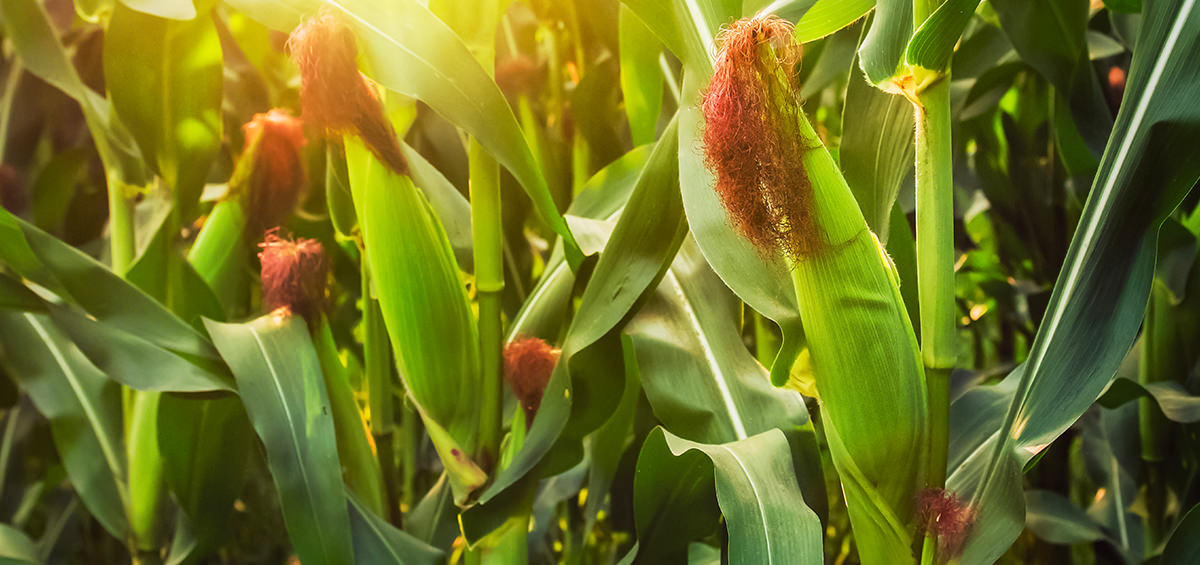
Arable farming is a type of crop production that produces a wide range of annual crops . This means that the crop life cycle, from germination to seed production, is complete within one year. Depending on the type of use, there are a few different types of arable crops. These include:
Grain crops; cultivated grasses and millets grown for their edible starch grains (wheat, maize, rice, barley, proso millet)
Pulse crops; edible seeds from the legume family, high in protein (lentil, beans, peas)
Oil seed crops; grown for the oil extraction from the seeds (rapeseed, soybean, sunflower)
Forage crops; crops used for animal feed, fresh or preserved (cowpea, clovers, timothy)
Fiber crops; crops grown for fiber yield (cotton, jute, flax)
Tuber crops; crops whose edible portion is a short thickened underground stem (potato, elephant yam)
Sowing or Planting of Arable Crops?
Since arable farming encompasses a wide range of different crops, we have to consider the sowing, as well as planting. There is a big difference between these two farm practices. For instance, sowing is a practice that involves putting seeds into the soils. While, planting means putting an already live plant into the soil. The plant can be grown by a farmer or purchased from a nursery.
An additional difference between sowing and planting is in the crop spacing and density . For instance, sowing row spacing is usually smaller than in planting. On the other hand, crop density is higher than in the crops that are sown. However, a common feature of both practices is that each practice can be done manually or with the use of machinery.
Sowing and Planting Types in Arable Farming
There are a few methods of sowing and planting in arable farming, including:
Broad casting; the sowing practice that scatters the seeds by hand all over the prepared field
Drilling or line sowing; sowing of crops with the use of machinery
Dibbling; sowing method of placing the seeds at cross marks made in the field; this practice is done manually using a dibbler
Putting seeds behind the plough; a practice that involves the dropping of seeds manually behind the plough in the furrow
Planting; unlike the sowing, planting of arable crops involves the putting of the vegetative parts of the crops which are propagated into the field
Transplanting; a planting practice that includes the transplanting of already raised seedlings into the field
Top 5 Tips for Advanced Sowing/ Planting in Arable Farming
In aiming to reach full crop potential, it’s extremely important to manage crop production properly from its earliest stages. Here are the top 5 farming practices, all of which are important to consider before the sowing or planting of arable crops.
Selection of the appropriate crop variety as according to the climatic and environmental conditions
Choosing the earliest recommended date for sowing
Ensuring a well-prepared soil
Practicing soil analysis before sowing/ planting
Regulating water (irrigation or drainage) and nutrients (fertilization according to the demands of crop and soil pH)
Following recommended practices enables a farmer to be one step ahead of all obstacles. Moreover, farmers wanting the best results consider every important detail before the sowing.
Text sources: AgriInfo Image sources: Snoromgaard || Pushbuttoleadmachine



Ready to digitalize your farm?
See how AGRIVI can help you apply these insights in your own operations.
Book a Meeting