
Sustainable Agriculture by 2030 – Impact on People
AGRIVI Team
Although global population growth slowed during the 1990s, the world’s population is continuing to increase by 80 million a year due to population momentum. Over the next 50 years, the world’s population is projected to increase by around 2.5-3 billion people (UNPF,1999). Future global food and fiber demand are therefore expected to increase substantially as populations grow and average incomes and purchasing power rise.
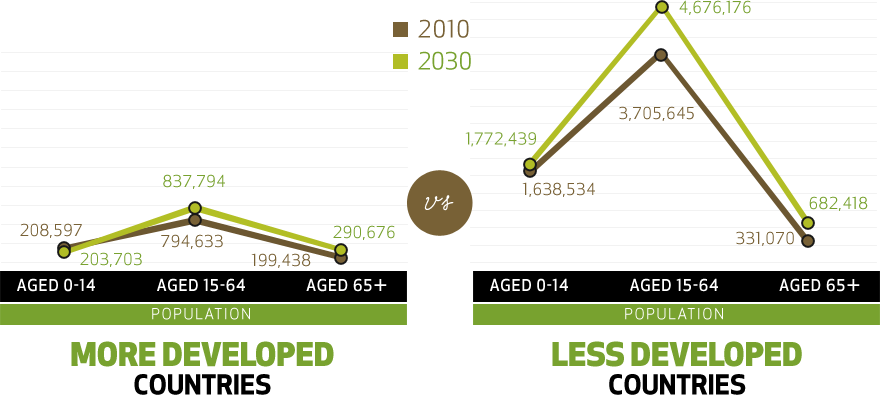
GLOBAL POPULATION By 2030, the world population is expected to grow by 1.5 billion people, mostly in cities in the less developed world. Whereas developed countries will get much older on average, the working-age population in less developed countries will grow most.
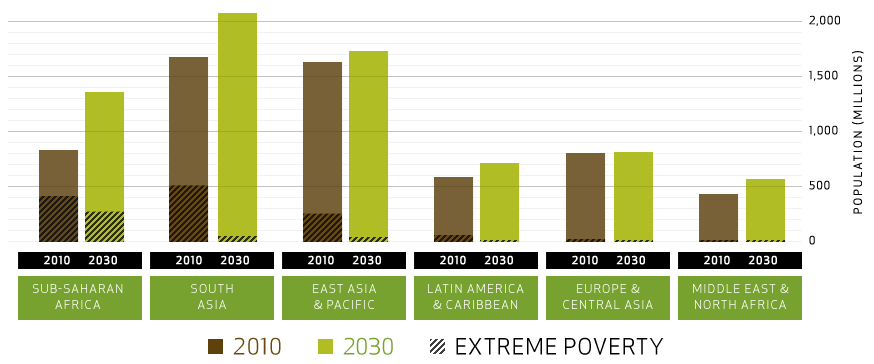
REGIONAL POVERTY Extreme poverty could drop by two-thirds, mostly in South and East Asia, yet poverty in sub-Saharan Africa will still largely remain.
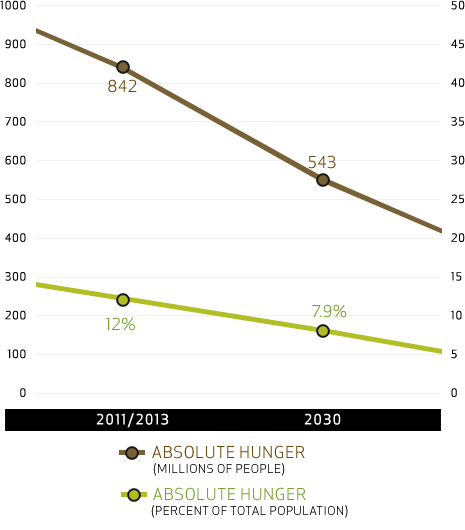
HUNGER Absolute hunger levels are predicted to go down, both in real and percentage terms, but some groups, such as sub-Saharan Africans and rural women, will remain disproportionally behind.
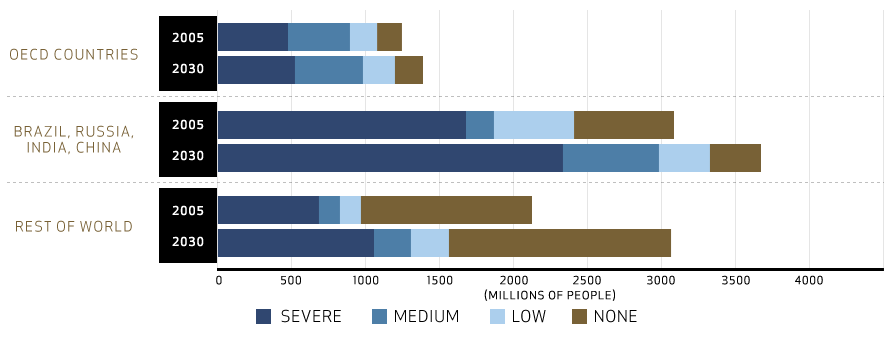
WATER STRESS Almost half of the global population (3.9 billion) is expected to experience severe water scarcity, especially in the emerging BRIC countries. Water availability is central to agricultural development. Improvements in the efficiency of agricultural water use can benefit both irrigated and rainfed farmers by enabling new or formerly degraded lands to be farmed, and by increasing the cropping intensity on existing lands.
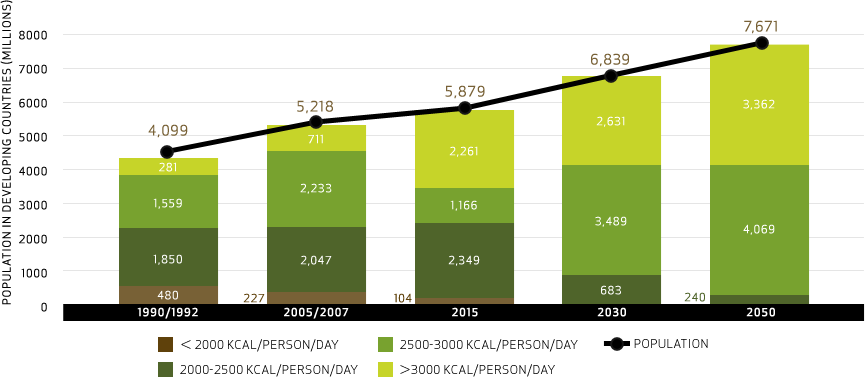
PER CAPITA CONSUMPTION Average per capita food consumption in developing countries is expected to grow, with only one in seven people consuming less than 2500 calories per day.
Ready to digitalize your farm?
See how AGRIVI can help you apply these insights in your own operations.
Book a Meeting