
Sowing of Winter Crops
AGRIVI Team
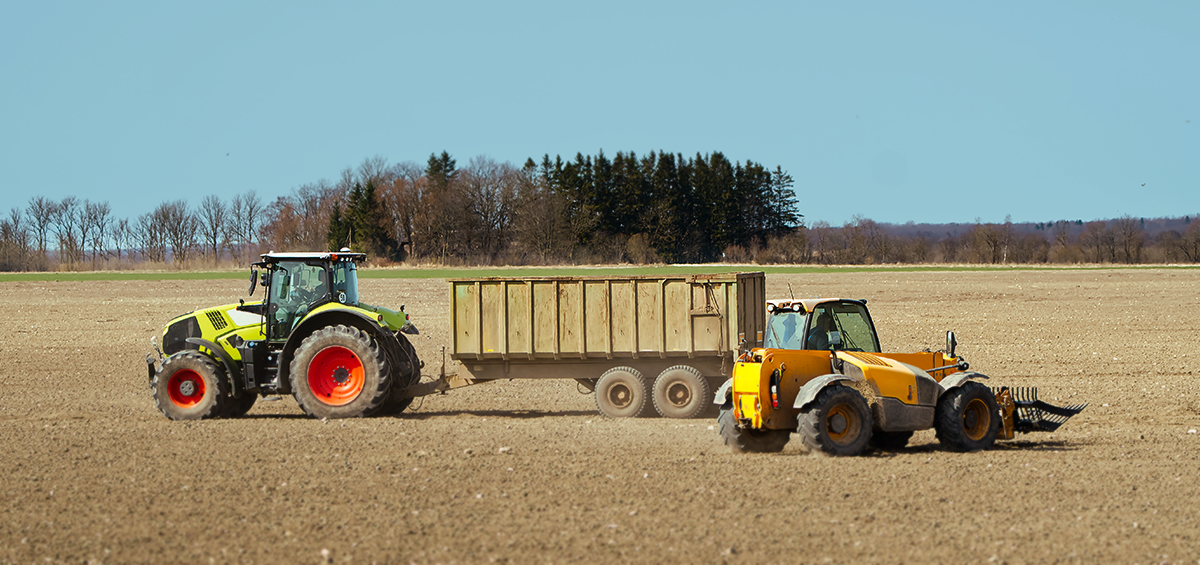
Corn harvest is slowly coming to an end. With this, deadlines for soil preparation for the autumn sowing of winter cereals or some other cultures are getting closer. Autumn sowing of cereals is somehow common amongst farmers. The main reason is that the autumn sowing of wheat, barley, oat, rye, and triticale winter varieties is more profitable, due to higher and profitable yields and better grain quality.Profitable yields result from good management, of which variety choice is only a minor part. To reach their full potential, varieties must be sown in optimum time and grown in a rotation that minimizes the risks from diseases and weeds and maximizes soil fertility and soil moisture storage. Sowing time is a management compromise between having the crop flowering soon after the last heavy frost, but early enough to allow adequate grain fill before the onset of moisture stress and heat in spring. Yield drops 4–7% with each week of delay in sowing after the optimum time for a specific variety. If varieties are sown within the optimum sowing period, they can produce their highest yields but the best sowing date varies with topography and variety. Locally, sowing dates may need to be extended (earlier or later) depending upon local climatic conditions and soil types. Sowing towards the earliest part of the recommended sowing time usually results in higher yields. To optimize yield is also essential fertilizer management as well as weed and disease management. Weed management is the biggest threat to the sustainability of cropping systems. However, this problem can be managed by having good crop rotations, rotating herbicide groups, and combining both chemical and non-chemical methods of weed control. Cereals should never be preculture for other cereals because it leads to the accumulation of diseases, pests, and weeds, and this may result in lower yields. It's also recommended not to rotate only corn and cereals, due to some common diseases (Fusarium species fungi). Thus good precultures are legumes, oil, and fodder crops. They're leaving soil early enough to make proper soil tillage for the next sowing. The required amounts of mineral fertilizers are most accurately determined by the chemical soil analysis and previous crop. It should be added 350-400 kg/ha of NPK 8-26-26, 10-20-30, or 7-20-30 in basic fertilization before autumn plowing. In areas with less precipitation should be added 50-100 kg/ha of UREA. Organic producers should add some organic fertilizer, once before sowing. In autumn can also be sown chickpeas, faba bean, field bean, and lupin, mainly for grazing, hay or forage, and some vegetable species (broccoli, brussels sprouts, cabbage, kale, leek, leafy crops). Growing winter cereals is fairly straightforward. To successfully grow winter cereals, a number of specific management practices must be followed: Selection of the best variety for your local areaSeeding dateRate and depthProper fertilizer typesAmounts and time of applicationWeed control. Complete farming technology for all winter crops, from sowing, fertilizing to protection and harvest you can find in AGRIVI farm management system, which gives you best practices for growing your crops. Improve your farming, use AGRIVI.



Ready to digitalize your farm?
See how AGRIVI can help you apply these insights in your own operations.
Book a Meeting