
Manage Olive Fruit Fly by Following Protection Measures
AGRIVI Team
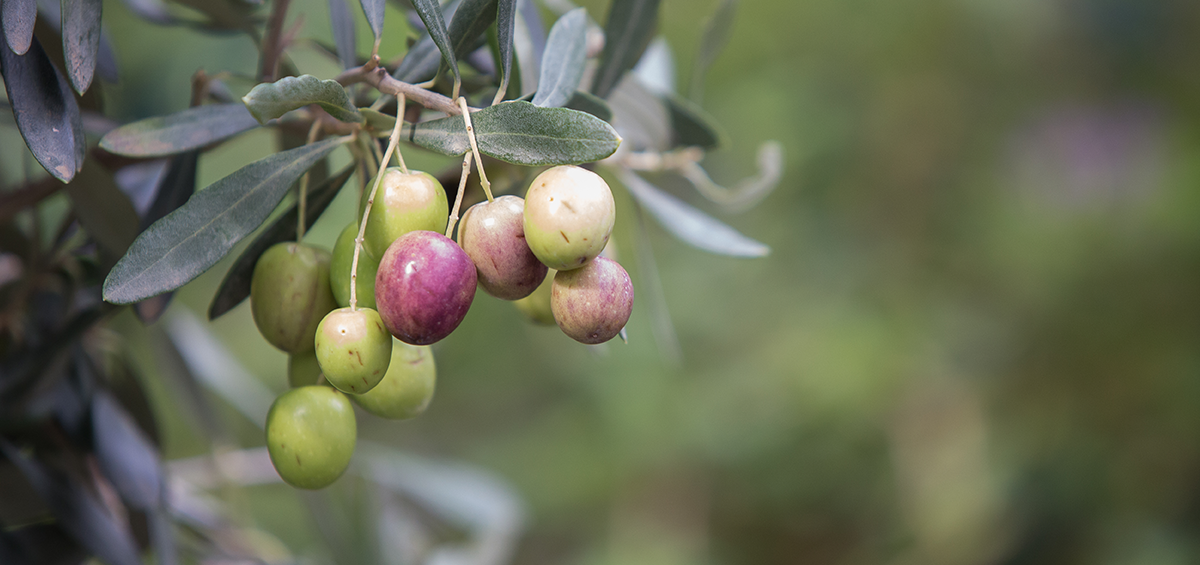
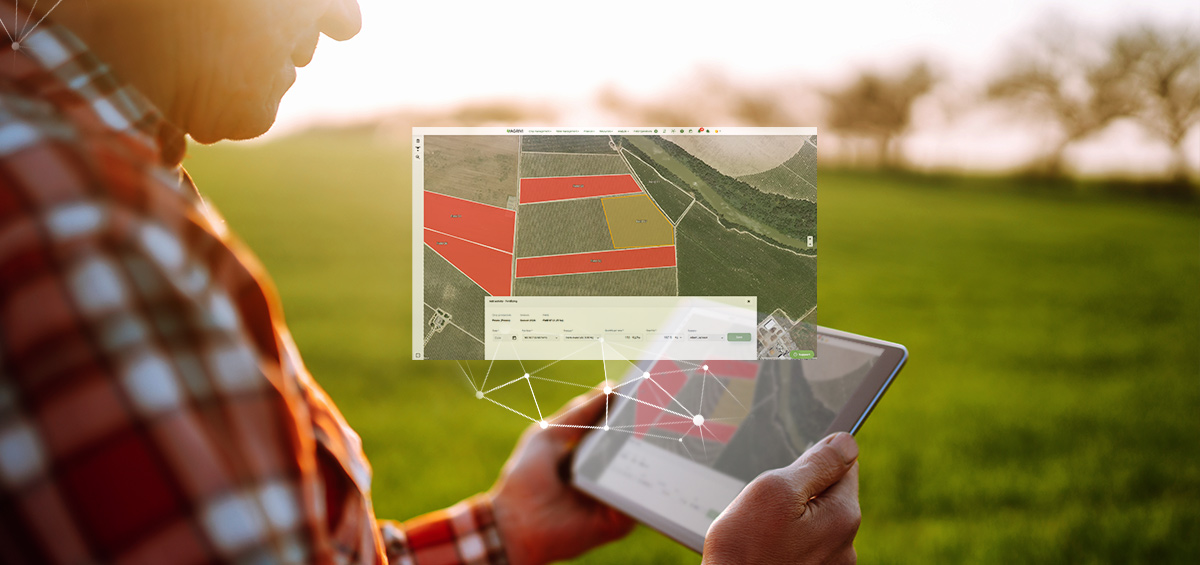
The olive fruit fly (Bactrocera oleae) is a phytophagous species, whose larvae feed on the fruit of olive trees. It is considered the most damaging pest of olives in Southern Europe, North Africa, the Middle East and North America. It commonly infests ornamental olive trees in urban and landscape locations that are not actively managed and which can serve as an important source of invasion for olive trees commercially grown on farms.The development cycle of olive fruit fly is closely linked to environmental conditions, such as high temperatures, humid climate, premature cultivation and cultivation under irrigation. The population size varies throughout the year with peaks in the middle of spring, at the development of the winter generation of adults, and in early autumn when olives are at the highest degree of receptivity with moderate temperatures and wetter climate conditions. Knowing these parameters, implementing of effective pest management measures is needed, together with the monitoring of the population.Adult olive fruit fly & Sign of olive fruit fly infestation When it comes to controlling the olive fruit fly, being vigilant, diligent, and systematic is critical. The best practices of olive fruit fly control start with basic knowledge of occurrence and damage recognition, since infestation signs are not usually familiar to people. Below are listed few cultural, physical, biological and chemical measures for successful management of olive fruit fly control; Monitoring of environmental conditions – since development cycle of olive fruit fly depends on climatic conditions, monitoring weather conditions is key to prevent a severe attackDetection of olive fruit fly presence – olive fruit fly is most likely present in orchard even though the farmer may not see either the fly or the damage without careful attention. Fallen winter fruits and new fruits on the tree should be visually inspected for oviposition stings, maggots or tunneling and decay signs.Monitoring populations – adult flies can be discovered by trapping with sticky traps which indicate population intensitySanitation – it’s very important to remove old fruits remaining on trees and destroy all fruits on the ground to reduce overall fly densityReduce black scale populations – olive fruit fly adults feed on honeydew made from black scale, so managing of black scale populations will reduce food source needed for olive fruit flyKaolin clay – when applied on olive trees, it dries to a white powder that repels the olive flies, but it’s not toxic to the insects. The first application should be a week or two before pit hardening, and it should be applied every 5-6 weeksOther management practices – for all farm types, whether it’s conventional, integrated or organic pest management, preventive treatment with protein baits can be used, as well as repellents with copper-based products and use of parasitoidsHow Can AGRIVI Help Manage Olive Fruit Fly? AGRIVI farm management software provides detailed weather forecasts 7 days in advance for each field, and alerts farmers if there is a possibility of pest attack on particular fields, if the conditions for infection are favorable. When the system gives a disease or insect pest alarm, it offers also the list of active substances with which farmers can treat pests and the commercial name of the product containing that active substance. Besides pest alarms, farmers can also track all field activities in the AGRIVI system. Through tasks, they can register all spent materials and work hours on crop production, such as usage of pesticides. Reduce the number of olive farm visits and stop guessing what the weather will be like. Use AGRIVI farm management system and ensure you are ready for a healthy harvest!


Ready to digitalize your farm?
See how AGRIVI can help you apply these insights in your own operations.
Book a Meeting