Improve Farming Success With Integrated Farming
Learn about the integrated farming system and how it can benefit your farming efforts.
AGRIVI Team
All over the world, farmers work hard to earn a living. However, not all farmers make a steady income, especially small family farmers. There is very little leftover after they pay for all their inputs (seeds, livestock breeds, fertilizers, pesticides, energy, feed, labor, etc.). The emergence of integrated farming systems (IFS) has enabled farmers to develop a framework for an alternative development model to improve the success rate of small sized farming operations.
What Is Meant by Integrated Farming?
The integrated farming system is a commonly used term to explain a more integrated approach to farming compared to monoculture approaches. It refers to agricultural systems that integrate livestock and crop production or integrate fish and livestock and may sometimes be known as integrated biosystems. [caption id="attachment_46112" align="alignnone" width="408"] Integrated Crop-Livestock Farming System – includes combined growing of crop, livestock, poultry, fish, tree crops, plantation crops or other systems.[/caption]
How Does Integrated Farming Work?
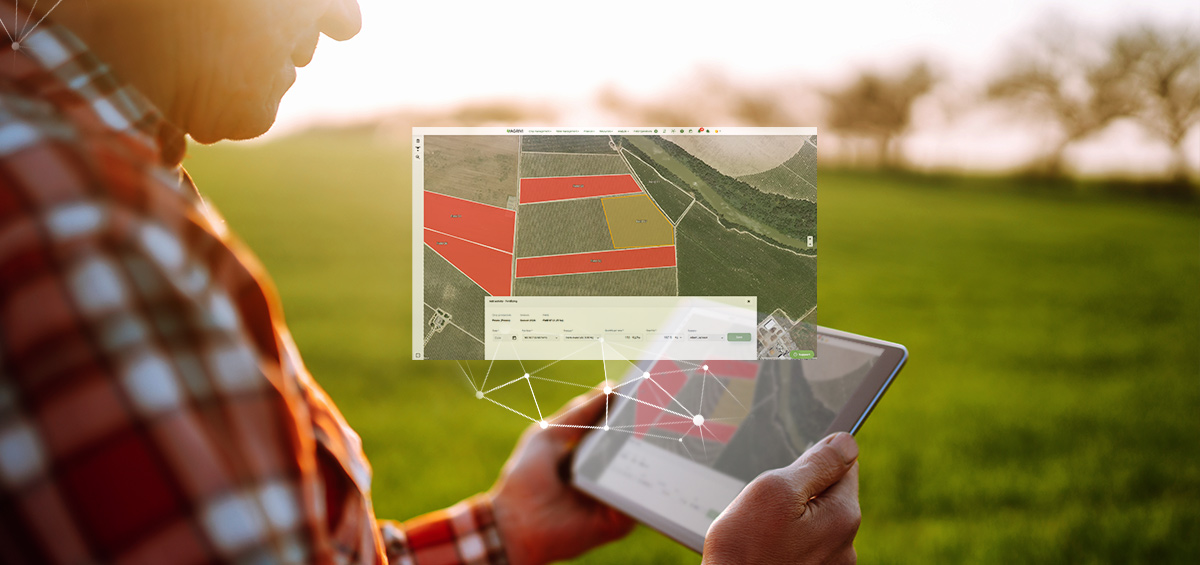
In this system, an inter-related set of enterprises is used so that the “waste” from one component becomes an input for another part of the system. This reduces costs and improves production and/or income. Since it utilizes waste as a resource, farmers not only reduce waste emissions but they also ensure an overall increase in productivity for the whole farming system. Integrated farming tries to imitate nature’s principle, where not only crops but also varied types of plants, animals, birds, fish, and other aquatic flora and fauna are utilized for production. The basic principle is to enhance the ecological biodiversity:By choosing the appropriate cropping methodology with mixed cropping, crop rotation, crop combination and inter-cropping so that there is less competition for natural resources like water, nutrition and space and by adopting eco-friendly practicesBy utilizing a multi-story arrangement so that the total available area is used effectively and there is a high level of interaction between biotic and abiotic componentsBy integrating subsystems by which the various components interact positively, so that the overall farm productivity is increased The integrated farming system is also a sustainable agriculture system which focuses on intensification of farm productivity by increasing diversification, resource integration and creating market linkages. Thousands of small and marginal family farmers in resource-poor regions in Asia and Africa have converted their farming to this sustainable farming system to diversify farm production, increase cash income, improve the quality and quantity of food produced and the exploitation of unutilized resources. It usually takes three to four years to establish a well-integrated farm with market linkages to ensure nutrition and the livelihood of a family. Why Is Integrated Farming Good?In the last few decades, agricultural research and modern technology developments have led to integrated farming being implemented to not only enhance the productivity per acre, but to maximize land use in such a way to ensure sustainability of food production to meet the growing demands created by an increase in global population. Due to the indiscriminate and erratic use of chemical pesticides and fertilizers in the past, our food and ecosystems have been poisoned. What Are the Advantages of Integrated Farming? The advantages of using an integrated farming system are: The integrated farming system approach introduces a change in farming techniques for maximum production in cropping system patterns and ensure the optimal resource useThe farm waste is recycled for productive purposes in the integrated systemA judicious mix of agricultural enterprises like dairy, poultry, piggery, fishery, sericulture etc. suited to the given agro-climatic conditions and socio-economic status of the farmers can bring prosperity to the farming operations Many farmers and even entire countries throughout the world are adopting the integrated farming system which use practices that consider the present and future climatic conditions, soil characteristics, food habits of the population and estimates the future food requirements of the ever increasing human and animal population. The new integrated practices include improved farming technologies like integrated nutrient management, site-specific nutrient management, conservation technology, use of bio-fertilizers, crop rotation, zero tillage, and the use of Farm Management Systems like AGRIVI which helps farmers track their activities on fields, as well as the whole farm productivity and profitability. AGRIVI also supports farmers with integrated farming by providing them with a knowledge base of the best practice processes in the form of required tasks that allow them to plan the season in advance.Through the conversion to an integrated farming system and the adoption of modern farming practices, the problems of food security and global warming mitigation should definitely be solved. Text sources: Agricultures || Youtube Image source: IFAD
Ready to digitalize your farm?
See how AGRIVI can help you apply these insights in your own operations.
Book a Meeting