
Fertilization of Organically Grown Crops
AGRIVI Team
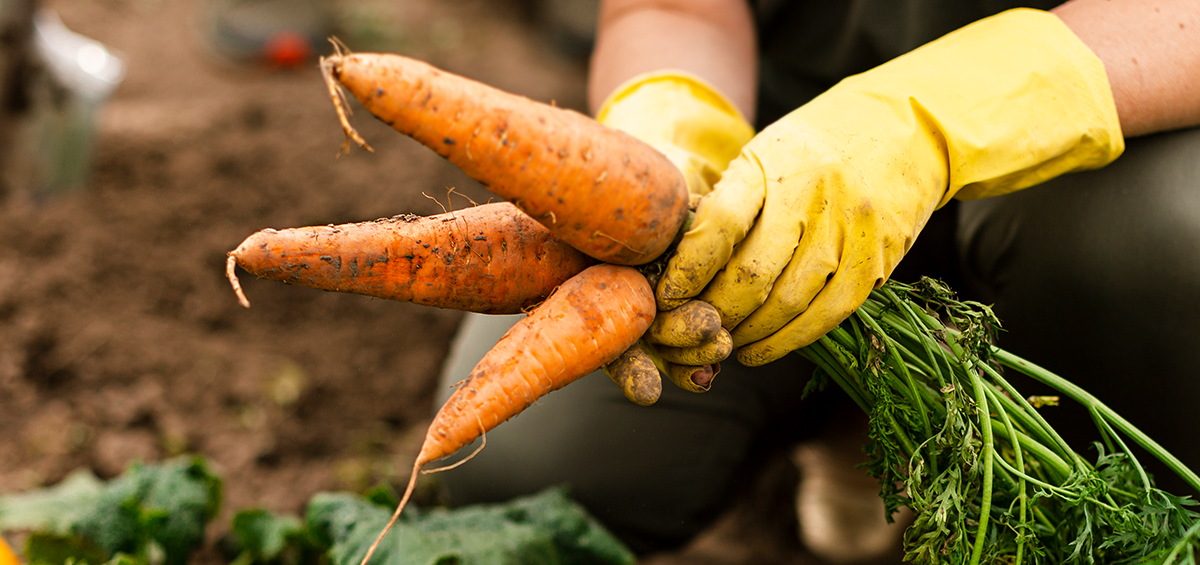
Fertilization is a complex problem in every farming, from conventional to organic. It takes a lot of knowledge and management to do it right. Before you start to fertilize, first you need to know when to perform it and which fertilize type to choose based on farming type. Whether you grow organic fruits, vegetables, or arable crops, you have to use organic fertilizers, based on plant, animal or mineral origin. Biofertilizers can be also made of aminoacids (humyn acid), sulfuric bacteria, algae (Bio Plantella Vrt, Ferticell universal) or mycorrhizal fungi (Aegis, Tifi), commonly called microbiology fertilizers. Another low-cost way of fertilization is the sowing of legumes, Trifolium repens, or Lupinus species. These are plants that bind huge amounts of elementary nitrogen and thus fertilize crops. For example, Lupine fixes up to 150 kg/ha of nitrogen.Fertilizers used in organic farming have a long period of nutrient release, two to nine months. Mostly they're in NPK formulations but can be also made of single microelements (foliar fertilizers). Organic fertilizers are added in autumn as basic fertilization and in spring, at the beginning of vegetation season, as topdressing. In organic farming in autumn can be used: NPK 7-7-7 (Bioilsa), NPK 5-10-10 (Proeco), NPK 7-0-21 (Enekappa), Gradual 25 Fe, N 12,5 (Fertil Supernova), NPK 6-5-13 (Progress micro) in amount 400-700 kg/ha, depending on plant species. For plants, strengthening is added Algovital (4 l/ha), Aminovital (3 l/ha), or Azomite minerals, for fruits 2-7 kg/tree, if tree thickness is 10-20 cm and 7-20 kg/tree, over 20 cm. For grapevine is added 100-200 g/tree. The lack of micronutrients is replaced with foliar fertilizers like Ilsamin MMZ, Ilsamin Bor, Maxflow Zn+Mn, Lithovit, Ilsadrip Ferro, IlsaC-on. They're used in all crops to enhance plant immunity, strength and to stimulate plant growth and development. In organic farming fertilization encourages life in the soil, thus microorganisms have enough food, and the level of humus increases. It also has beneficial effects on physical, chemical, and biological activity in the soil. AGRIVI guides farmers with the knowledge base of fertilization management for all organically grown crops with details on when and how to perform them included. So, provide an opportunity to build the reserve of nutrients required for plant growth for the next vegetation season. Apply best farm management practices and improve your farming.



Ready to digitalize your farm?
See how AGRIVI can help you apply these insights in your own operations.
Book a Meeting