
Fertigation
AGRIVI Team
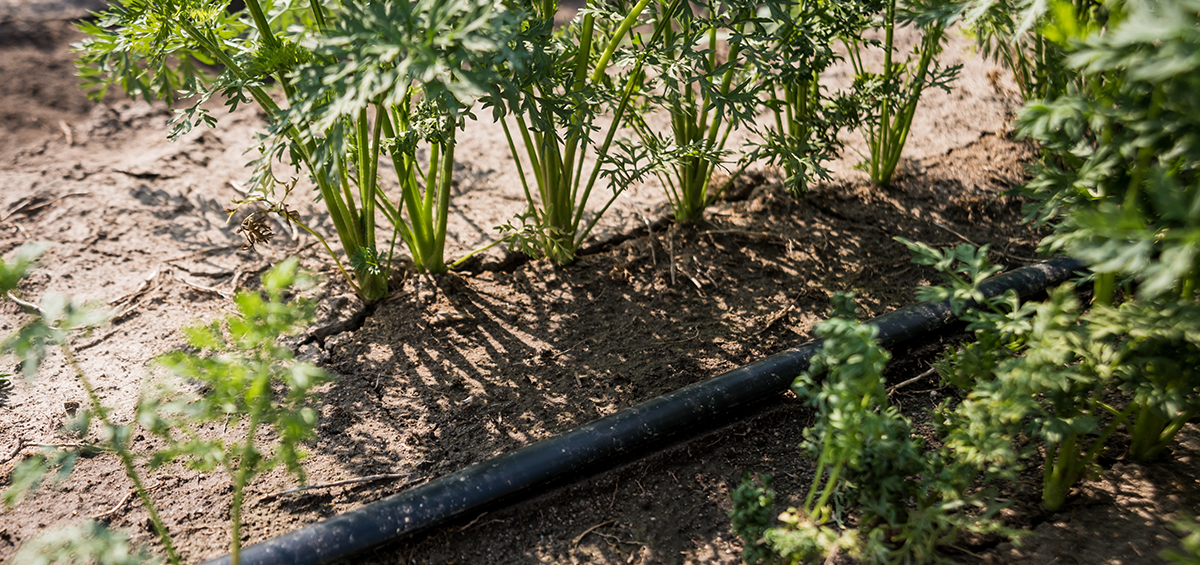
The practice of supplying crops in the field with fertilizers via the irrigation water is called fertigation. Fertigation - a modern agro-technique, provides an excellent opportunity to maximize yield and minimize environmental pollution by increasing fertilizer use efficiency, minimizing fertilizer application and increasing return on the fertilizer invested. In fertigation, timing, amounts and concentration of fertilizers applied are easily controlled. A large range of fertilizers, both solid and liquid, are suitable for fertigation depending on the physicochemical properties of the fertilizer solution. For large scale field operations, solid fertilizer sources are typically a less expensive alternative to the commonly used liquid formulations. The solubility of these fertilizers does vary greatly. When switching to a solid fertilizer source, problems can be avoided in the nurse tanks by ensuring that ample water is added to the stock solution. In selecting fertilizers for fertigation four main factors should be considered:
Plant type and stage of growth
Soil conditions
Water quality
Fertilizer availability and price.
The type of fertilizer for fertigation should be of high quality, with high solubility and purity, containing low salt levels, with an acceptable pH and it must fit in the farm management program.
Advantages of fertigation
Nutrients and water are supplied near the active root zone through fertigation which results in greater absorption by the cropsAs water and fertilizer are supplied evenly to all the crops through fertigation there is possibility for getting 25-50 per cent higher yield
Nutrients and water are supplied near the active root zone through fertigation which results in greater absorption by the crops
As water and fertilizer are supplied evenly to all the crops through fertigation there is possibility for getting 25-50 per cent higher yield
CropsWater Saving (%)Yield (t/ha)ConventionalDripDrip+FertgnBanana35263037Sugarcane29120160207Tomato32455665 Examples of different crops of water saving, yield and profit under drip and drip + fertigation systems
Fertilizer use efficiency through fertigation ranges between 80-90 per cent, which helps to save a minimum of 25 percent of nutrients NutrientFertilizer use efficiency (%)Soil applicationFertigationNitrogen30-5095Phosphorous2045Potassium5080Fertilizer efficiencies of various application methods
By this way, along with less amount of water and saving of fertilizer, time, labor and energy use is also reduced substantially
Fertilizers used in fertigation
For applying through fertigation Urea, potash and highly water soluble fertilizers are available. Urea is well suited for injection in micro irrigation system. It is highly soluble and dissolves in non-ionic form, so that it does not react with other substances in the water. Urea also does not cause precipitation problems. Application of super phosphorus through fertigation must be avoided, as it makes precipitation of phosphate salts. Thus phosphoric acid is more suitable for fertigation as it is available in liquid form. Special fertilizers like mono ammonium phosphate (nitrogen and phosphorus), Poly feed (nitrogen, phosphorus and potassium), Multi K (Nitrogen and Potassium), Potassium sulphate (potassium and sulphur) are highly suitable for fertigation, as they are highly soluble in water. Along with special fertilisers, Fe, Mn, Zn, Cu, B, Mo are also supplied.
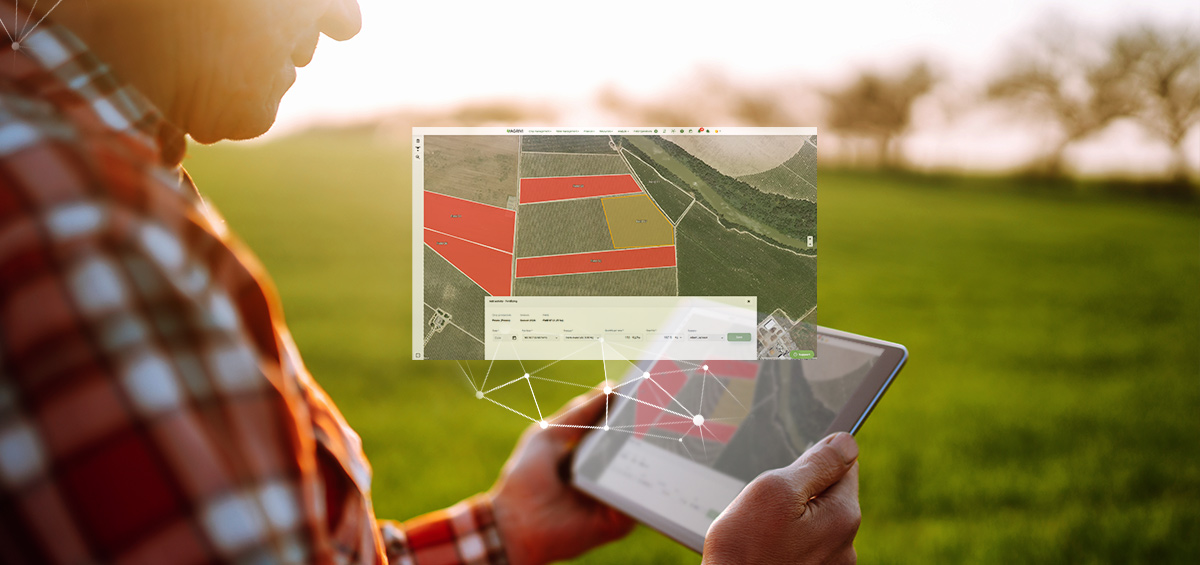
NameN – P2O5 – K2O contentSolubility (g/l) at 20 CAmmonium nitrate34-0-01830Ammonium sulphate21-0-0760Urea46-0-01100Monoammonium phosphate12-61-0282Diammonium phosphate18-46-0575Potassium chloride0-0-60347Potassium nitrate13-0-44316Potassium sulphate0-0-50110Monopotassium phosphate0-52-34230Phosphoric acid0-52-0457 Fertilizers commonly used in fertigation The shortage of water worldwide for use in agriculture and increased urbanization has forced agricultural development to new locations, less suitable to old flood or canal irrigation methods, which lead to the development of fertigation. It was first developed for field and horticultural crops, and later used on tree plantations. In later stages, small gardens and the potting trade adopted the use of fertigation with automatic scheduling of irrigation cycle for home and city gardens. Fertigation today is used in any system, small or large scale, all over the world. In fertigation it's also important to track activities on all fields and crop productions or farms. Every time you irrigate, fertilize or even protect your crops, you can enter this data into AGRIVI and track spent amounts of water, fertilizers and pesticides per field. All that can be viewed and analyzed on daily basis.

Ready to digitalize your farm?
See how AGRIVI can help you apply these insights in your own operations.
Book a Meeting