
Chicory Harvest
AGRIVI Team
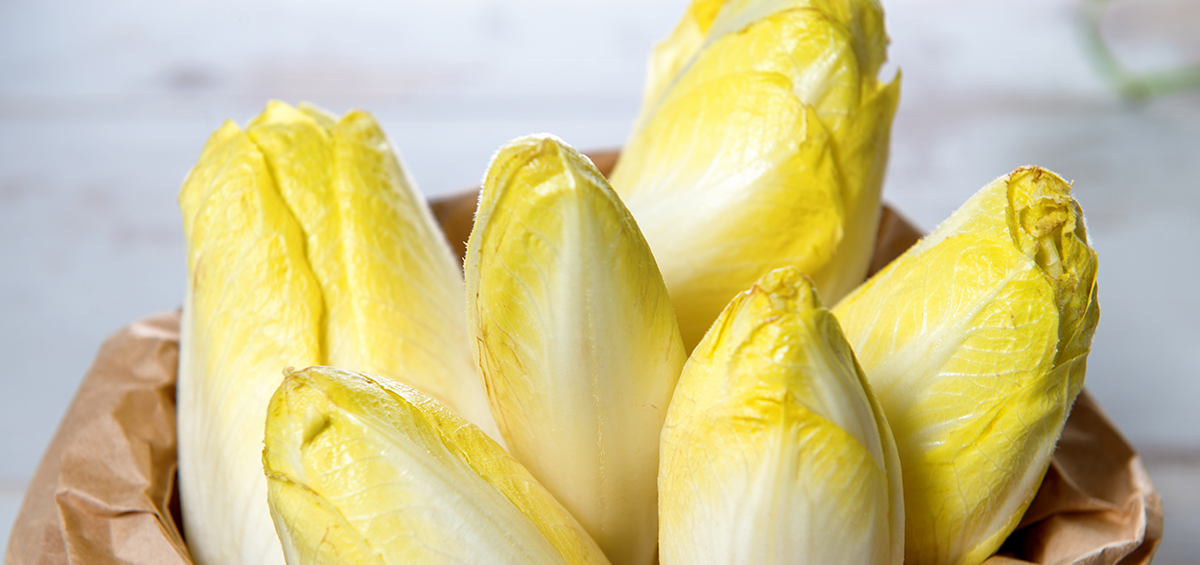
Chicory (Cichorium intybus) is a somewhat woody, perennialherbaceous plant with lavender, blue, or occasionally white flowers with a long white root. It's popularly named succory, blue sailors, coffee weed, and cornflower. Chicory is cultivated for salad leaves, chicons (blanched buds), or for roots, which are the most important. Over the years, these roots have gained immense popularity as a health supplement and food additive due to their many medicinal benefits. The first chicory, as a vegetable crop, was grown by Greeks and Romans 4000 years ago. Since the discovery in the 1970s that chicory root contains up to 40% of inulin, a versatile polysaccharide similar to starch, began the farming of root chicory. Inulin, which is also known as chicory root extract, is found in many plants and is utilized as an energy reserve – vegetables such as artichokes, asparagus, salsify, leeks, onions, garlic, and chicory all contain inulin. It has been harnessed by the food industry as a functional food ingredient serving a multitude of purposes. For example, inulin is sometimes used as a sweetener in place of sucrose as it has a minimal impact on blood sugar, making it suitable for diabetics. It also functions as a fat and flour substitute and can act as soluble fiber. Chicory is one of the earliest known and most widely used raw materials for the manufacture of coffee substitutes. It looks and tastes something like coffee but is caffeine-free and less expensive than the real thing.Chicory root has a lot of health benefits on the human body, because of its ingredients. Fresh chicory root typically contains, by dry weight, 68% inulin, 14% sucrose, 5% cellulose, 6% protein, 4% ash, and 3% other compounds. By total weight, it may contain between 13 and 23% inulin. Dried chicory root extract contains, by weight, approximately 98% inulin and 2% other compounds. Chicory is typically farmed in a biennial cycle, with a tuberised root produced during the vegetative growth phase. Harvesting starts in October and takes two months if weather conditions are favorable. The root is extracted in technological maturity when the outer leaves start yellowing and the inner leaves are still green. Before harvest, leaves should be mowed. Chicory can be extracted with plows, with a modified digger for sugar beet harvest, or with a chicory harvester which is the most modern way of extraction. Learn more about root chicory farming and other modern farming technologies with the help of AGRIVI farm management platform. Sign up today and start improving your production immediately!



Ready to digitalize your farm?
See how AGRIVI can help you apply these insights in your own operations.
Book a Meeting